
A freshly hung feeder that sits empty for days, or one that used to draw a crowd and suddenly goes quiet, is one of the most common frustrations in backyard bird feeding. Most of the time the cause is one of a handful of fixable issues rather than anything wrong with the feeder itself.
Give It Time
A brand-new feeder in an unfamiliar spot often takes one to several weeks before local birds discover and trust it, especially if it’s the only feeder in the area. Birds build routines around known food sources, and a new one has to earn its way into that routine. Resist the urge to move or change the feeder every few days while waiting, since that resets the discovery process each time. Placing the feeder somewhere birds already pass through regularly, near existing trees or shrubs they use, tends to shorten this waiting period considerably.
Common Causes
Wrong Seed for Local Birds
Cheap seed mixes are often bulked out with filler grains like milo and wheat that most backyard birds pick around or ignore entirely, leaving the feeder looking full while attracting nothing. Black oil sunflower seed is the closest thing to a universal favorite across common backyard species, and switching to it alone can turn an ignored feeder into a busy one. Check the ingredient list on any pre-mixed bag before buying, since price alone doesn’t tell you much about what’s actually inside.
Poor Visibility or Placement
A feeder tucked too deep in dense foliage can be hard for birds to spot from a distance, while one sitting completely exposed in open lawn with no nearby cover can feel too risky to approach. A location with some nearby shrub or tree cover within quick reach, but still visible from a short flight path, tends to perform best.
Predator Pressure
An outdoor cat patrolling nearby, or a hawk that has learned to stake out a feeder for easy hunting, can keep songbirds away for days or weeks at a stretch even after the immediate threat moves on. Birds remember danger associated with a location and take time to return once they judge it safe again. Feathers or a scattering of seed with no birds around are common signs a predator has been working the area recently.
Old or Spoiled Seed
Seed left out through rain or humidity can clump, mold, or sprout, and birds generally avoid feeders with visibly spoiled contents. Empty and rinse the feeder, discard old seed rather than topping it off, and refill with fresh seed on a regular schedule rather than letting it sit for weeks. A feeder with a rain guard or hood, or one relocated somewhere more sheltered, cuts down on how often this happens in the first place.
A Dirty Feeder
Built-up grime, mold, or droppings on a feeder’s feeding ports can discourage visits and, more importantly, pose a real disease risk to the birds that do stop by. A basic cleaning every couple of weeks with warm water and a mild solution, then a full dry before refilling, keeps the feeder both more inviting and safer.
Competing Food Sources Nearby
If a neighbor’s feeder, a natural seed source, or an active insect population nearby is currently more convenient or abundant, birds may simply be feeding elsewhere for the season. This tends to shift naturally as seasons change and natural food becomes scarcer, particularly heading into winter.
Pesticide or Chemical Use Nearby
Recent lawn or garden chemical treatments nearby can reduce the insects birds rely on alongside seed, and some birds avoid areas that smell strongly of fresh chemical application. If timing lines up with a treatment nearby, this is worth considering as a contributing factor, though it’s often temporary.
Squirrels Dominating the Feeder
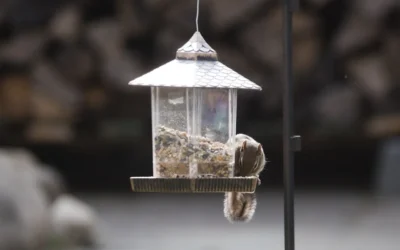
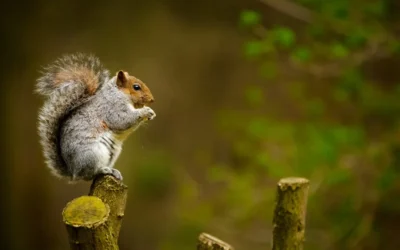
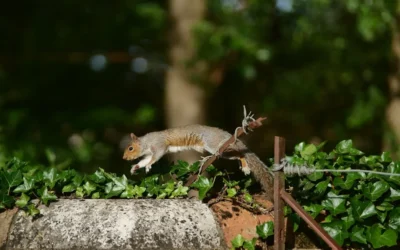
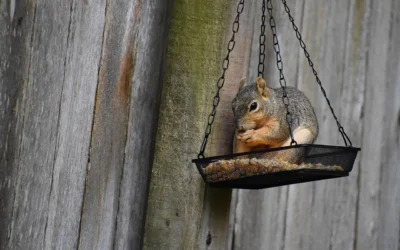
A feeder under constant squirrel occupation can feel unwelcoming to birds waiting their turn, and the noise and disruption of a squirrel wrestling with a feeder can scatter birds that were otherwise ready to land. Spilled seed from an active squirrel raid can also attract rodents on the ground, which brings its own set of predator concerns. If this sounds like your setup, our complete guide to squirrel baffles and squirrel-proof feeder roundup cover ways to reclaim the feeder for birds.
What to Check First
1. Inspect the Seed
Look for clumping, mold, or a musty smell, and check whether the mix is mostly filler grain rather than sunflower seed. This is the fastest and cheapest fix to rule out.
2. Clean the Feeder
A quick wash removes both the visual deterrent of grime and any lingering odor that might be putting birds off before they even land, and it only takes a few minutes with warm soapy water and a stiff brush.
3. Reassess the Location
Confirm the feeder has nearby cover without being buried in it, and isn’t sitting in a spot with obvious predator activity like fresh cat tracks or feathers on the ground nearby.
4. Add Water
A shallow birdbath nearby can make a feeding station considerably more attractive, since birds often choose a location based on both food and water together rather than food alone, especially during dry summer stretches.
5. Be Patient Through a Full Cycle
Give any single change two to three weeks before concluding it didn’t work, since bird visitation naturally fluctuates with weather, season, and local food availability well beyond anything happening at your specific feeder. Keeping a rough log of what you changed and when makes it much easier to tell later which adjustment actually made a difference.
When It’s Seasonal, Not a Problem
Feeder activity naturally drops in late spring and summer when natural food is abundant and birds are focused on nesting rather than foraging at feeders. A quiet feeder in June often isn’t a sign anything is wrong, activity typically picks back up as natural food sources thin out heading into fall and winter. Migration timing plays a role too, some species that visit heavily in fall and spring simply aren’t in the area at all during summer months.
Frequently Asked Questions
How long should I wait before assuming something is wrong?
Give a new feeder at least two to three weeks in a stable location before concluding the setup isn’t working. Birds need time to discover and trust an unfamiliar food source.
Does feeder color or style matter?
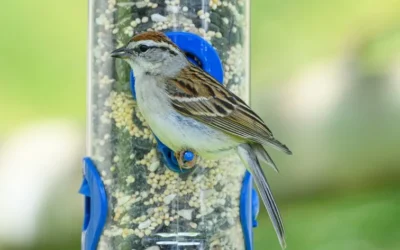
Less than seed quality and placement, though a feeder matched to the species you’re hoping to attract, like a tube feeder for finches or a suet cage for woodpeckers, tends to perform better than a generic mismatch.
Could my feeder placement near a window be the problem?
Not directly for attracting birds, but a feeder in the risky middle-distance zone near a window raises collision risk once birds do start visiting, worth checking once activity picks up. See our feeder height guide for placement distances.
Should I move the feeder if nothing seems to work?
If you’ve ruled out seed quality, cleanliness, and predator pressure and still see no activity after several weeks, a relocation to a spot with better natural cover is a reasonable next step, but avoid moving it repeatedly in short succession. Give each new location the same two to three week window before deciding whether it’s working.
Write Your Review
No reviews yet. Be the first to share your experience!