

Hanging a bird feeder seems simple, but the mount you choose and how securely you install it affects everything from how often birds actually visit to how long the feeder lasts outdoors. This guide covers the common mounting options, the tools you’ll need, and the installation steps for each, along with a few mistakes worth avoiding along the way.
Choosing a Mount Type
Tree Branch
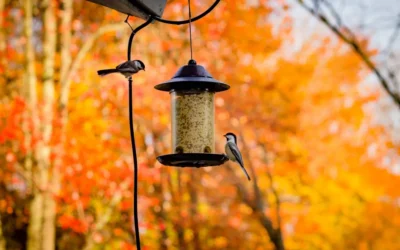
Hanging from an existing branch is the simplest option, requiring no additional hardware beyond a sturdy hook or S-hook. Choose a branch strong enough to support the feeder’s full weight when loaded with seed, not just its empty weight. A branch that flexes noticeably under the loaded feeder is worth passing over in favor of a thicker one nearby, even if it means the feeder sits a little further from your preferred viewing window.
Shepherd Hook
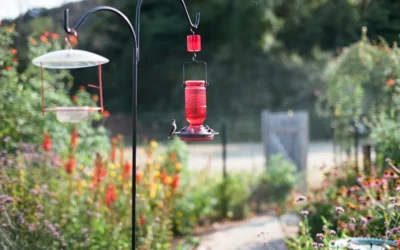
A freestanding shepherd hook works anywhere in the yard, independent of tree placement, and lets you position the feeder exactly where you want it. Ground stability matters here, a hook that leans or wobbles in soft soil undermines the whole setup. In looser or sandy soil, driving the hook deeper or tamping the surrounding dirt firmly as you go makes a noticeable difference in how well it holds up through wind and rain.
Wall or Fence Bracket
A mounted bracket on a wall, fence, or deck rail is a stable option that doesn’t require digging or driving a stake into the ground. This works especially well for smaller yards or patios where a freestanding pole isn’t practical. It also puts the feeder within easy reach for refilling, which matters if you’re topping it off often during peak feeding months.
Pole Mount
A dedicated feeder pole offers the most stability and flexibility, often supporting multiple feeders or accessories on one setup. It also makes adding a squirrel baffle straightforward later if that becomes necessary, something a tree branch or wall bracket doesn’t easily allow. Poles come in various diameters, so if you already know you might add a baffle down the line, check baffle compatibility with the pole diameter before buying either piece.
What You’ll Need
A screwdriver or drill for bracket and pole installations, an S-hook or chain for hanging feeders, and a level to confirm the feeder hangs straight rather than tilted. For pole mounts, you’ll also want a mallet or post driver if setting the pole yourself rather than using a pre-installed bracket. Gloves are a small but useful addition too, especially when working with metal poles or brackets that can develop sharp edges at the cut ends.
Installation Steps
Step 1: Pick the Location First
Decide on location before choosing hardware, since the mount type follows from where you want the feeder, not the other way around. Somewhere visible from indoors with nearby cover for birds to retreat to works well for most yards. A spot roughly ten feet from a shrub or tree line gives birds a quick escape route from predators while still keeping the feeder close enough that they feel comfortable landing.
Step 2: Set the Mount
For a shepherd hook or pole, drive it into the ground deep enough that it doesn’t lean under moderate pressure, firming up the soil around the base as you go, typically twelve to eighteen inches for a standard shepherd hook. For a wall or fence bracket, use screws rated for outdoor use and confirm the mounting surface is solid, not rotted or loose, since a bracket anchored into soft or water-damaged wood will eventually pull free.
Step 3: Hang the Feeder
Attach the feeder using its built-in hanger, S-hook, or chain, and confirm it hangs level using a level or just eyeballing it against a straight reference line. A tilted feeder can cause seed to spill unevenly out one side.
Step 4: Check the Height
Confirm the feeder sits at a comfortable height for both viewing and refilling, typically five to six feet off the ground for most yards. Our feeder height guide covers this in more detail.
Step 5: Confirm It’s Secure
Gently push and rock the feeder and its mount to confirm nothing shifts or comes loose. Recheck this a few days after installation as well, since hardware can settle slightly once exposed to weather and normal use.
A Note on Safety
If installing a wall or high bracket requires a ladder, have someone nearby rather than working alone, and avoid overreaching from the top rung. Check for buried utility lines before driving a stake or pole into a new spot in the ground, particularly near a house foundation or driveway. Most utility companies offer a free line-marking service before any digging project, and it’s worth the short wait rather than guessing.
Common Mistakes
Mounting Too Close to Windows
A feeder placed a few feet from a window increases collision risk for birds flying to and from it at speed. Either keep real distance from windows, generally understood as more than thirty feet, or place the feeder very close to the glass, within a few feet, since a very close feeder reduces the speed a bird can build up before impact. The middle distance is the riskiest zone and worth avoiding altogether.
Underestimating Full Weight
A feeder loaded with several pounds of seed weighs considerably more than it does empty. Choose hardware and a mount rated for the full loaded weight, not just how light it feels sitting empty on the shelf.
Skipping the Squirrel Question Entirely
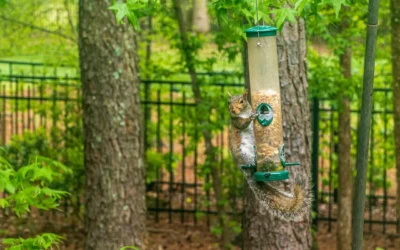
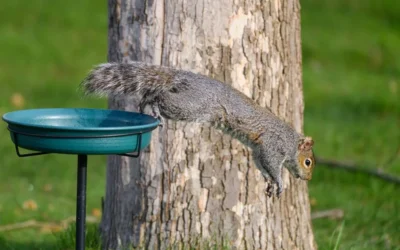
If squirrels are common in your area, deciding on squirrel protection during initial installation is easier than retrofitting later. Our complete guide to squirrel baffles covers pole-mount baffle options, and our squirrel-proof feeder roundup covers feeders with built-in exclusion.
Frequently Asked Questions
Do I need special tools to hang a bird feeder?
For a simple tree-branch or hook mount, usually not, an S-hook and the feeder’s own hanger are often enough. Wall brackets and pole mounts typically need a screwdriver or drill and outdoor-rated screws, and a stud finder is worth having on hand if you’re mounting to a wall rather than a fence post.
Can I hang more than one feeder from the same mount?
Some poles and multi-arm mounts are built specifically for this, but check the weight rating first if adding multiple feeders to a single hook or branch, since combined loaded weight adds up quickly. Spacing multiple feeders a foot or two apart on a multi-arm pole also reduces crowding and squabbling once birds settle into a routine at the setup.
How do I know if my mount is strong enough?
Check with the feeder fully loaded with seed, not empty, and check for any sagging, leaning, or visible strain at the mounting point. If anything shifts under that load, reinforce or choose a sturdier mount before relying on it long-term.
Should I plan for a squirrel baffle before or after hanging the feeder?
Before, if possible. Deciding on baffle compatibility while choosing your mount, particularly for a pole setup, saves you from reworking the installation later if squirrels turn out to be a problem. Retrofitting a baffle onto a mount that wasn’t designed for one is possible in many cases, but it’s usually a smoother process when planned for from the start.
Write Your Review
No reviews yet. Be the first to share your experience!