

You’ve checked the height, measured the distance from the nearest branch, confirmed the baffle fits the pole, and squirrels are still getting to the feeder. At that point the problem usually isn’t a setup mistake anymore, it’s squirrel behavior that a basic checklist doesn’t cover. This guide looks at the tactics squirrels actually use against a correctly installed baffle, and what to do about each one. If you haven’t run through the basics yet, start with our general troubleshooting checklist first, since most failures are still fixed there.
A Running Jump Can Clear a Correctly Sized Baffle
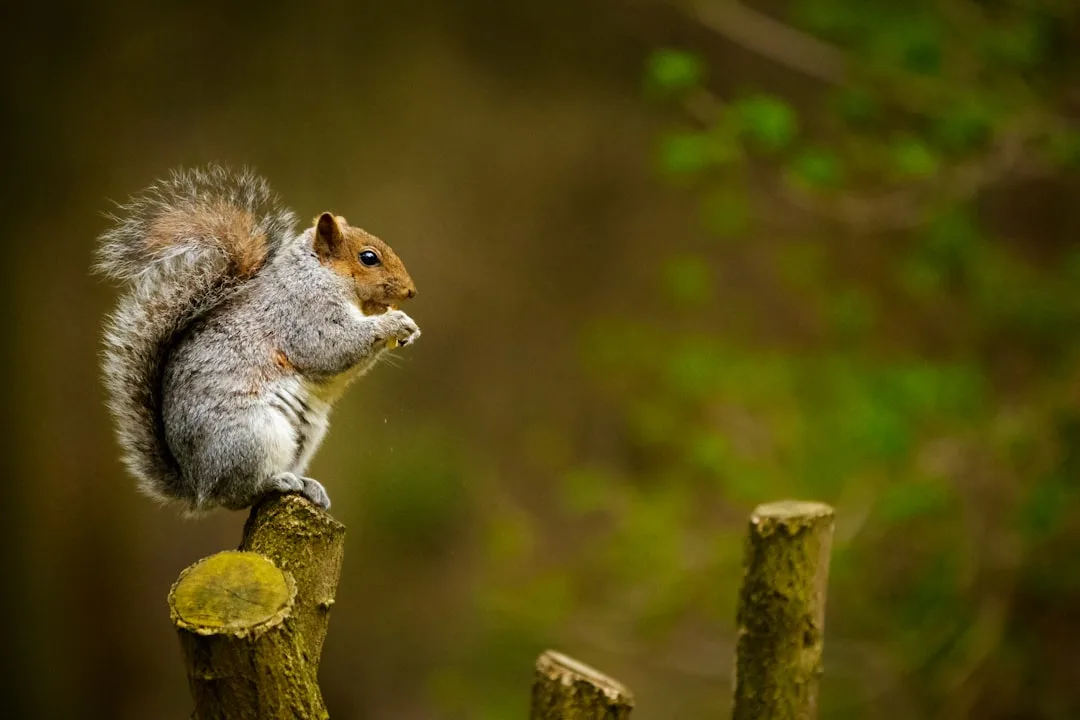
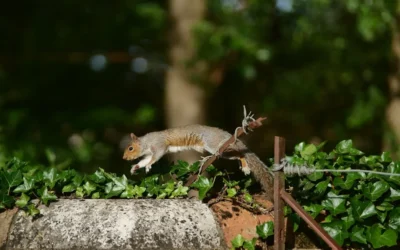
A baffle blocks a climb up the pole. It does nothing against a squirrel that jumps from a nearby launch point and lands past it entirely, on the pole above the baffle or directly on the feeder. This is easy to miss because the baffle itself looks fine, correctly sized and mounted, while the actual failure is happening a few feet away at a branch or fence rail you didn’t account for.
Our guide on how far a squirrel can jump covers the mechanics of this in detail, and stopping squirrels from jumping over a baffle walks through fixes once you’ve confirmed this is the cause.
Repeated Attempts Wear Down a Baffle’s Weak Points
A baffle that stopped squirrels reliably for months can start failing without anything obviously changing. Gnawing at plastic edges, loosened screws from repeated impact, or a slight bend in a lightweight metal cone all accumulate slowly over repeated encounters. A squirrel that fails fifty times and succeeds once has still succeeded, and it will keep trying that same spot once it works, often returning to the exact same grip point that finally gave way.
A baffle that worked for a long time and is now failing is worth a close physical inspection for damage, not just a repeat of the original setup checks.
Multiple Squirrels Increase the Odds of a Lucky Attempt
A single squirrel making occasional attempts is a very different problem from a yard with a large local population making constant attempts throughout the day. Even a baffle that fails only rarely under a single determined animal will get exploited quickly with enough total attempts across many individuals, since the odds of one of them catching the baffle at a bad moment, damp, iced, or slightly off level, go up with volume.
If your yard has a notably high squirrel population, a baffle with more margin for error, such as a larger diameter or a spring-motion design, holds up better than a baffle sized for average conditions. Our heavy-duty baffle roundup covers options built for exactly this kind of pressure.
Debris and Buildup Can Create a Step
Snow accumulation, fallen leaves piled against the base of the pole, or even a dense growth of vines can gradually raise the effective ground level or create an intermediate foothold a squirrel didn’t have when the baffle was first installed. None of this shows up as an installation problem, since the baffle and pole haven’t changed at all, only what’s built up around them over time.
Clear buildup around the base of the pole periodically, especially heading into winter when snow accumulation is most likely to change the effective height.
Squirrels Learn Individual Setups Over Time
A squirrel that spends weeks attempting the same feeder learns the specific baffle’s quirks, the exact angle that gives the best grip, the moment of hesitation before it loses balance, in a way a fresh squirrel encountering the setup for the first time hasn’t. This kind of learned persistence is part of why a baffle that worked immediately after installation can start failing months later even without any physical change.
When persistence seems to be the main factor, changing the setup itself, a different baffle style, a repositioned pole, resets what the squirrel has learned rather than continuing to run into a design it has already partially figured out.
Fall Brings the Highest Volume of Attempts
Squirrel activity around feeders isn’t steady year-round. In fall, squirrels cache food aggressively ahead of winter, which means more visits, more attempts, and more willingness to keep trying a setup that’s failed several times already. A baffle that held up fine through summer can suddenly seem to fail in October or November simply because attempt volume has gone up, not because anything about the baffle changed.
If problems seem to cluster in fall specifically, it’s worth treating that as expected seasonal pressure rather than assuming the baffle itself has developed a new flaw.
Confirm It’s Actually a Squirrel
Raccoons, and in some regions larger climbing rodents, can defeat a baffle sized and mounted correctly for squirrels simply due to greater size, weight, and reach. If activity happens mostly at night, or you’re seeing more feeder damage than a squirrel typically causes, the animal getting past your baffle may not be a squirrel at all, which changes what kind of baffle actually solves the problem.
When to Change the Baffle Entirely
If you’ve ruled out placement, distance, damage, and debris, and a specific baffle keeps failing against a persistent local population, replacing it with a different design is often faster than continuing to troubleshoot the same one. Our full squirrel baffle collection covers a range of mechanisms, from static cones to spring-motion and spike designs, worth comparing against what’s currently installed rather than sticking with a design that’s clearly been figured out.
Frequently Asked Questions
I’ve done everything right and squirrels still get through occasionally. Is that normal?
Occasional success against a well-installed baffle is common with a large or persistent local squirrel population, since enough repeated attempts eventually catch a rare weak moment, such as a damp or icy baffle surface. Consistent, frequent success points to a specific cause worth investigating rather than bad luck.
Can squirrels really learn to beat a specific baffle design?
Individual squirrels that spend extended time attempting the same setup do appear to refine their technique against that specific baffle over weeks or months, which is one reason a baffle that worked immediately can start failing later without any physical change to the setup.
Does switching to a completely different baffle style actually help?
Often yes, particularly against a squirrel that has spent significant time learning the current design’s specific weaknesses. A different mechanism, such as switching from a static cone to a spring-motion baffle, resets what the animal has already figured out.
How do I tell a squirrel problem from a raccoon problem?
Nighttime activity, larger amounts of feeder damage, or a baffle that’s been physically bent or pulled loose rather than just climbed past are all more consistent with a raccoon than a squirrel. A baffle sized and rated for squirrels specifically may need to be upgraded to handle raccoon weight and strength.
Is it worth setting up a camera to see what’s actually happening?
If repeated troubleshooting hasn’t identified the cause, a basic outdoor camera aimed at the feeder can settle questions a checklist alone can’t, including whether it’s actually a squirrel, how many individuals are involved, and exactly where in the setup they’re succeeding. It’s a reasonable next step when the pattern of failure doesn’t match any of the common causes above.
Write Your Review
No reviews yet. Be the first to share your experience!