

Diameter is one of the first specs listed on almost every squirrel baffle, and 16-inch and 19-inch are two of the most common sizes on the market. The difference sounds small on paper, but it changes how much margin the baffle actually gives you, how much it weighs on your pole, how it looks in your yard, and in some cases whether your existing pole can support it at all. This guide compares the two sizes directly, across effectiveness, weight, appearance, and cost, so you can pick based on your actual setup rather than defaulting to whichever size happens to be cheapest or most visible on a store shelf.
Looking for material instead of size? See Metal vs Plastic Squirrel Baffles: Which Is Better?. For sizes beyond 19 inches, see Best Large Squirrel Baffles: 19-Inch and Larger.
At a Glance
| Factor | 16-Inch | 19-Inch |
|---|---|---|
| Reach margin | Closer to a squirrel’s typical arm span, less margin at the edge | More margin past a typical squirrel’s reach |
| Weight | Generally lighter, easier on thin poles and hooks | Generally heavier, worth checking the pole’s rating |
| Visual footprint | More compact and discreet | More visually prominent |
| Typical cost | Usually costs less for a comparable material | Usually costs more for the same material |
| Best for | Lighter squirrel pressure, thinner poles, a smaller visual footprint | Persistent squirrel pressure, larger poles or posts, maximum reach margin |
Reach Margin and Effectiveness
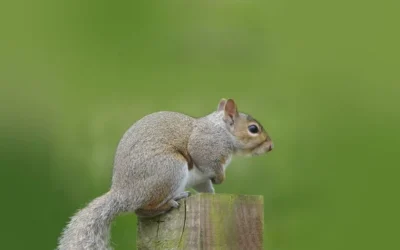
An adult squirrel’s arm span typically runs somewhere around 11 to 15 inches. A 16-inch baffle sits close enough to that range that a determined squirrel can sometimes still reach around the edge, especially a larger individual. A 19-inch baffle puts more distance between a squirrel’s stretch and the edge, which is why it shows up more often in yards with a larger or more persistent squirrel population.
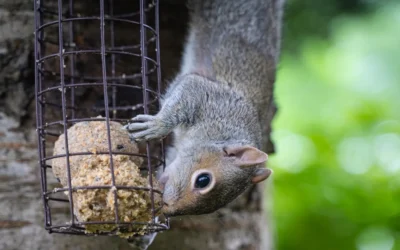
That margin doesn’t mean a 16-inch baffle is ineffective. In a yard with lighter squirrel pressure, a correctly placed 16-inch baffle at the right height and distance from jump-off points performs perfectly well. Size becomes more important as pressure increases, not before. A yard that has only ever seen the occasional squirrel visit doesn’t need the largest baffle on the market, while a yard where several squirrels compete for the same feeder benefits more directly from the added margin a 19-inch baffle provides.
Weight and Pole Compatibility
A larger baffle generally weighs more, particularly in metal, and that added weight matters more on a thin shepherd hook or lightweight pole than on a fixed 4×4 post. A pole rated comfortably for a 16-inch plastic baffle isn’t automatically rated for a 19-inch metal one, check the pole’s weight rating before sizing up, not just the baffle’s own specs. A pole that leans or wobbles under the added weight undermines the baffle regardless of how effective its diameter would otherwise be.
If you’re mounting on a thinner shepherd hook specifically, see Best Squirrel Baffle for a Shepherd Hook for picks sized and weighted for that mount type.
Visual Footprint
A 16-inch baffle sits closer to the pole and reads as a smaller, more incidental part of the feeder setup. A 19-inch baffle is harder to miss, which some buyers don’t mind and others actively want to avoid in a more manicured garden setting. This is a genuine tradeoff against effectiveness, not just a minor styling detail, worth weighing honestly against how much squirrel pressure your yard actually sees. Most manufacturers offer both sizes in similar colors and finishes, so the visual difference usually comes down to footprint alone rather than style.
Cost
Larger baffles generally cost more than smaller ones in the same material and build quality, since they use more raw material. The gap is usually modest rather than dramatic, and it’s a smaller factor than material (metal versus plastic) in most product lineups. Treat size as a secondary cost consideration after deciding what material and mount type you actually need for your setup.
Does Size Change Installation?
Installation steps are largely the same regardless of diameter, mount type (pole, post, or hanging) matters far more than size for how a baffle attaches. A larger baffle can be more awkward to handle alone during installation simply due to its dimensions, and a heavier metal baffle at 19 inches benefits from a second pair of hands more than a lightweight 16-inch plastic one does.
See How to Install a Squirrel Baffle for the full step-by-step process, it applies the same way across both sizes.
Which Should You Choose?
There’s no universal answer, the better size depends on what your yard actually deals with:
- Choose 16-inch if: squirrel pressure in your yard is light to moderate, you’re mounting on a thinner pole or hook, or you want a smaller visual footprint.
- Choose 19-inch if: squirrels in your yard are persistent or numerous, you’ve already had a smaller baffle get bypassed, or your pole or post can comfortably support the added weight.
- Consider going larger than 19-inch if: you want maximum reach margin regardless of visual footprint, see our Best Large Squirrel Baffles roundup for those picks.
- Stick with your current size if: it’s already working and you haven’t seen squirrels get past it, upgrading a working setup mostly adds cost and weight without a clear benefit.
Whichever size you land on, it still needs correct placement to work, mounted at the right height and far enough from jump-off points. See How High Should a Squirrel Baffle Be? and How to Install a Squirrel Baffle for the setup details that matter regardless of diameter.
Frequently Asked Questions
Is there a size between 16 and 19 inches worth considering?
Yes, some baffles land at 17 or 18 inches, splitting the difference. If you’re weighing this decision closely, a mid-size option is a reasonable middle ground rather than an either-or choice, though the general tradeoffs between weight, cost, and reach margin still apply proportionally, roughly splitting the difference between what a 16-inch and a 19-inch baffle each offer.
Does a 19-inch baffle stop raccoons better than a 16-inch one?
Diameter alone isn’t the main factor for raccoon resistance, material and build strength matter more, since raccoons are larger and stronger than squirrels. A bigger diameter in a lightweight plastic still may not hold up to a raccoon the way a smaller, sturdier metal baffle would, since raccoons can sometimes bend or pry at plastic edges that would stop a squirrel outright. See Best Heavy-Duty Squirrel Baffles for picks built with multiple pests in mind.
Can I upgrade from a 16-inch to a 19-inch baffle without replacing my pole?
Usually yes, as long as the pole’s diameter and weight rating both fit the larger baffle’s requirements. Measure your pole and check the new baffle’s stated weight rating before assuming any 19-inch pick will work as a drop-in replacement. If your current pole is already near its rated limit with a 16-inch baffle, factor that into whether an upgrade needs a sturdier pole alongside the larger baffle.
Will squirrels eventually adapt to either size?
A correctly sized baffle at the right height and distance holds up for most yards over time, but no size is completely immune to every individual squirrel indefinitely, especially as a local population grows or a younger squirrel tries angles an adult hadn’t attempted. See Why Is My Squirrel Baffle Not Working? if a previously effective baffle starts failing.
Write Your Review
No reviews yet. Be the first to share your experience!