

Squirrel baffles come in two main materials, metal and plastic (usually a rigid PP or polycarbonate), and the choice between them affects durability, weight, and how the baffle holds up in your specific climate. Neither material is universally better, the right choice depends on how much squirrel pressure your yard sees and where you live. This guide breaks down the real tradeoffs so you can match the material to your situation.
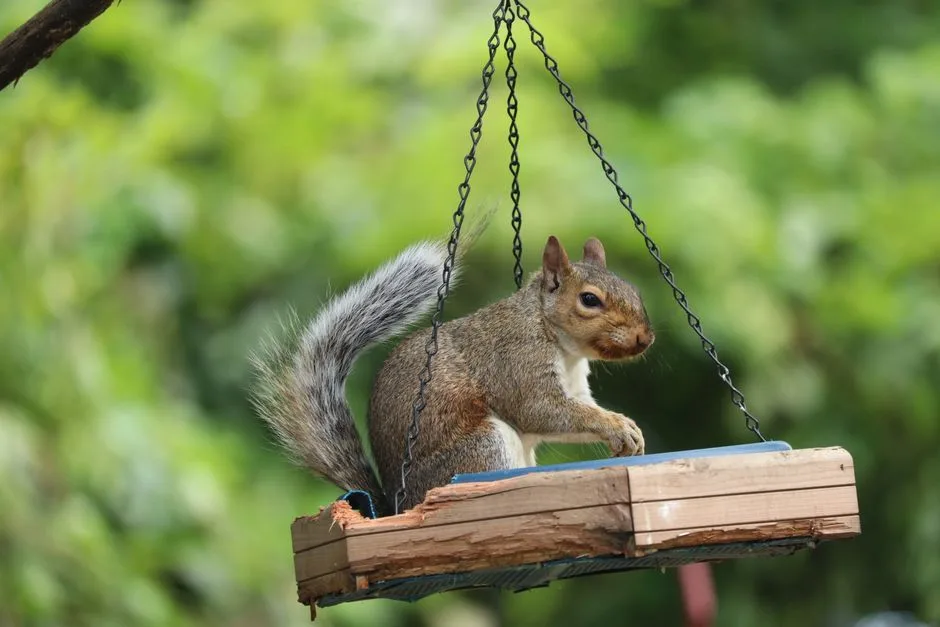
Looking for specific product picks rather than a general comparison? See Best Squirrel Baffles for Bird Feeders for our full roundup, which includes both materials.
At a Glance
| Factor | Metal | Plastic (PP / Polycarbonate) |
|---|---|---|
| Chew resistance | Highest, squirrels generally can’t chew through solid metal | Good on thicker polycarbonate, weaker on thin PP over time |
| Rust or weather wear | Can develop rust spots over years, depending on coating | Won’t rust, more resistant in humid or rainy climates |
| Weight | Heavier, worth checking pole and mount can support it | Lighter, easier to mount on thinner poles and hooks |
| Typical cost | Usually costs more for the same coverage | Usually costs less for the same coverage |
| Best for | Yards with heavy, persistent squirrel chewing pressure | Milder squirrel pressure, or humid and rainy climates |
Chew Resistance
This is the biggest practical difference between the two materials. A squirrel that can’t climb past a baffle will sometimes try to chew through it instead, especially if it’s motivated and has time to work at it undisturbed. Solid metal generally holds up against this kind of pressure indefinitely, while plastic varies a lot by thickness and grade. Thin, basic PP plastic wears down over repeated chewing sessions, while thicker polycarbonate resists damage much better, though it still isn’t as chew-proof as metal over many seasons.
If squirrels in your yard have already chewed through a baffle once, that’s a strong signal to move up to metal or a heavier-gauge polycarbonate rather than replacing like for like.
Weather and Rust
Metal’s weakness is the flip side of its chew resistance: exposed to rain and humidity for years, even a coated or galvanized metal baffle can eventually develop rust spots, particularly at scratches or edges where the coating has worn through. Plastic doesn’t rust at all, which makes it a genuinely better fit in consistently humid or rainy climates, or for anyone who wants the baffle to look the same in five years as it does on day one.
That said, plastic isn’t immune to weather damage, it just fails differently. Prolonged sun exposure can make lower-quality plastic brittle over time, so a plastic baffle in a hot, sunny climate has its own long-term wear pattern to watch for.
Weight and Installation
Metal baffles are noticeably heavier than plastic ones of a similar size, which matters more than it might seem. A thin shepherd hook or a lightweight pole rated for a plastic baffle isn’t necessarily rated for a heavier metal one, and a mismatch here can lead to sagging or an unstable mount regardless of how good the baffle itself is. Check your pole or hook’s weight rating, not just its diameter, before switching to metal on an existing setup.
Cost
Material cost follows a fairly predictable pattern: plastic baffles tend to cost less than metal ones of comparable size and coverage, since raw material and manufacturing costs are lower. That doesn’t mean plastic is always the false economy, if your yard has mild squirrel pressure and a dry climate, a less expensive plastic baffle may perform just as well as a pricier metal one for years. The cost difference only becomes a real tradeoff if you’re in a high-pressure yard where a cheaper baffle needs replacing sooner.
Which Should You Choose?
There’s no single right answer, the better material depends on what your yard actually deals with:
- Choose metal if: squirrels in your area are persistent chewers, you’ve already gone through a plastic baffle, or your pole or hook can support the extra weight.
- Choose plastic if: you live somewhere humid or rainy, you’re mounting on a thin or lightweight pole, or squirrel pressure in your yard is light to moderate.
- Consider a heavier-gauge polycarbonate if: you want the rust resistance of plastic with more chew resistance than basic PP offers.
Whichever material you land on, it still needs to be sized correctly for your pole and mounted at the right height and distance from jump points to actually work. See How to Install a Squirrel Baffle and How High Should a Squirrel Baffle Be? for the setup details that matter regardless of which material you choose.
Frequently Asked Questions
Can I mix materials, metal baffle with a plastic feeder or vice versa?
Yes, the baffle and feeder don’t need to match materials, and mixing is common. Choose each based on its own job: the baffle’s material matters most for chew and weather resistance on the climbing barrier itself, while the feeder’s material affects seed capacity, weather sealing, and how easy it is to clean, separate considerations entirely.
Does a heavier-gauge polycarbonate baffle cost close to metal?
It typically sits between basic PP plastic and metal in price, reflecting its added chew resistance over standard plastic without matching the durability, and often the cost, of solid metal. If budget is the deciding factor and squirrel pressure is moderate, a heavier polycarbonate pick is often the middle-ground option worth comparing against both ends of this guide.
Will a metal baffle get too hot to touch in direct summer sun?
Metal does heat up more than plastic in direct sun, though this mainly matters if you’re handling the baffle for maintenance on a hot day rather than affecting how well it blocks squirrels. If you’re in a climate with intense summer sun and plan to check or adjust the baffle often, keep this in mind, though it isn’t a reason on its own to choose plastic.
Do coated metal baffles resist rust better than bare metal?
A powder-coated or galvanized finish adds a real layer of rust resistance compared to bare or painted metal, since it protects the surface more evenly than paint alone. That coating can still wear through at scratches, bends, or high-contact points over years of outdoor exposure, so a coated baffle is more rust-resistant, not rust-proof.
How do I know which material squirrels in my area have already beaten?
If you’re replacing a baffle rather than starting from scratch, look at how the old one failed. A cracked, gnawed, or visibly chewed-through baffle points toward needing more chew resistance next time. A baffle that’s just faded, cracked from UV exposure, or rusted through without chew marks points toward a weather durability issue instead, which changes which material actually solves your problem.
Is there a hybrid option that resists both chewing and rust?
Thicker polycarbonate is the closest common middle ground, more chew-resistant than basic PP plastic and immune to rust, though it still won’t out-hold solid metal against months of sustained chewing. Some metal baffles also use a rust-resistant coating that narrows the weather gap from the other direction, so the two options can converge depending on the specific product. Whichever route you take, weigh your specific climate and the actual squirrel pressure you’ve observed in your own yard rather than defaulting to the most expensive option out of general caution, a moderate-pressure yard in a dry climate rarely needs the same material as a humid yard with a large, persistent squirrel population.
Write Your Review
No reviews yet. Be the first to share your experience!