

A bird feeder seems simple until you’re standing in front of a wall of options: tube, hopper, platform, suet, nectar, dozens of materials and mount types to sort through. Picking the wrong one for your yard and the birds you actually want to attract means disappointing results no matter how nice the feeder looks in the listing photo. This guide covers the main feeder types, how to choose between them, and where to go next depending on your specific setup.
What Is a Bird Feeder, Really?
At its core, a bird feeder is just a container that holds food and presents it in a way birds can access safely and repeatedly over time. The differences between feeder types come down to how they hold food, how birds reach it, and which species that specific design favors or excludes entirely.
Types of Bird Feeders
Tube Feeders
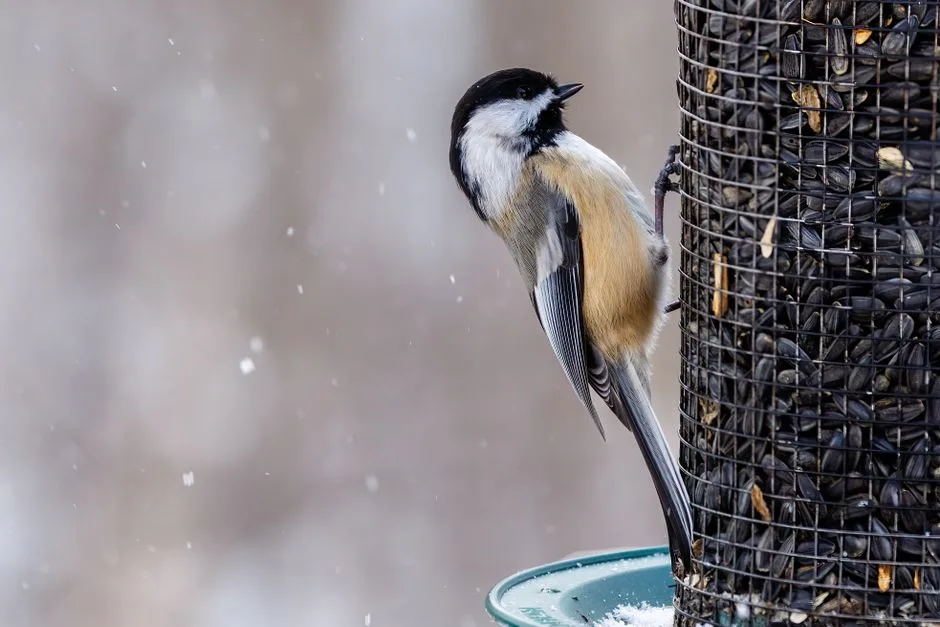
A clear cylindrical tube with multiple feeding ports along the sides, usually holding mixed seed or sunflower seed. Tube feeders attract a wide range of small perching birds like finches, chickadees, and titmice, and the clear tube makes it easy to see remaining seed at a glance.
Hopper Feeders
An enclosed container, often house-shaped, that dispenses seed onto a tray as birds feed. Hopper feeders generally hold more seed than tube feeders and accommodate a broader range of bird sizes, including larger species like cardinals and jays that prefer a wider perch.
Platform and Tray Feeders
An open, flat surface with no walls or roof. Platform feeders attract the widest range of species, including ground-feeding birds like doves and sparrows that avoid enclosed feeders, but they also expose seed to weather and offer no protection from squirrels or larger birds.
Suet Feeders
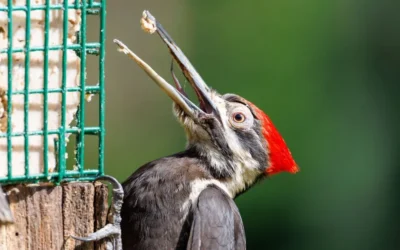
A wire cage or mesh holder for suet cakes, a dense mix of fat and seed. Suet feeders attract woodpeckers, nuthatches, and other insect-eating birds that seed feeders alone don’t typically draw, and they’re especially valuable in colder months when birds need extra calories.
Nyjer and Finch Feeders
A specialized tube feeder with very small ports, designed for tiny nyjer (thistle) seed. These feeders are built specifically for finches, particularly goldfinches, and the small ports keep larger birds from emptying the feeder quickly.
Oriole and Nectar Feeders
Feeders designed for sugar water or nectar, usually with a distinct color, orange for orioles or red for hummingbirds, that helps attract the target species. These require more frequent cleaning than seed feeders since nectar spoils quickly in warm weather.
Materials and Durability
Metal and heavy-gauge plastic generally hold up best against weather and squirrel chewing over multiple seasons of outdoor use, while wood offers a more natural look but needs more upkeep and eventually weathers or rots without regular maintenance. Cedar and other rot-resistant woods last considerably longer outdoors than untreated pine. Glass and ceramic accents look attractive but are more fragile and better suited to sheltered spots than fully exposed locations.
How to Choose the Right Feeder
Start with what birds are actually common in your area and which of them you specifically want to attract, since different feeder types favor different species. Consider how much maintenance you’re realistically willing to do, nectar and platform feeders need more frequent attention than a hopper or tube feeder does. Capacity matters too if you don’t want to refill constantly, and material affects how well the feeder holds up outdoors over multiple seasons of weather.
Placement Basics
Most feeders do best somewhere visible from indoors but with nearby cover, a shrub or small tree within a short flight, where birds can retreat quickly if startled by a predator or loud noise. Keep some reasonable distance from windows to reduce collision risk, or place feeders very close to the glass instead, which paradoxically reduces impact speed if a collision does happen. Consistent placement matters more than perfect placement, since birds return to locations they’ve already learned rather than searching for a new spot on every visit.
Keeping Squirrels From Taking Over
Almost every feeder type above is genuinely vulnerable to squirrels unless it’s specifically designed to exclude them or paired with a baffle. If squirrels are already a concern for your setup, our complete guide to squirrel baffles covers blocking the climbing route to an existing feeder, and our squirrel-proof feeder collection covers feeders built to exclude squirrels directly instead. Both approaches work with any of the feeder types covered above, so you don’t need to switch feeder styles just to add squirrel protection.
Mount Types
Feeders generally hang from a bracket, a shepherd hook, or a tree branch, or mount directly to a pole or post. Hanging feeders are the easiest to install and reposition, while pole-mounted feeders tend to feel more stable in wind and are easier to pair with a squirrel baffle if that becomes necessary later. Window-mounted feeders with suction cups are a third option, useful for apartments or yards without good ground access, and they offer an especially close view of visiting birds.
Next Steps
Once you’ve settled on a feeder type, our best bird feeders roundup covers well-rounded picks across categories, or jump straight to a specific type: tube feeders, hopper feeders, or suet feeders. For placement and setup details, see our guides on hanging a feeder and how high to mount it.
Seasonal Considerations
Feeding patterns shift quite a bit throughout the year. Suet and high-fat foods matter more in winter when birds need extra calories to stay warm through cold nights, while nectar feeders see the most activity in summer when hummingbirds and orioles are most active. Some people stop feeding seed entirely in late spring and summer in bear country, when natural food is abundant and feeders can draw unwanted wildlife.
Year-round feeding is fine in most areas and doesn’t create dependency, migratory birds don’t skip migration because a feeder is available, but adjusting food type by season generally attracts a wider range of visitors than offering the same seed mix all year.
Frequently Asked Questions
What’s the best all-around feeder type for a beginner?
A hopper or tube feeder with mixed seed is a reasonable starting point, since both attract a wide range of common backyard birds without the extra maintenance nectar or suet feeders require. You can add specialized feeders later once you know which species are actually visiting your yard.
How many feeders do I actually need?
One well-chosen feeder is genuinely enough to get started. Adding a second feeder with a different food type, suet alongside seed, for example, tends to attract a noticeably wider range of species than simply doubling up on the same type.
Do I need to clean my bird feeder regularly?
Yes, regularly. Mold and bacteria can build up in damp seed or old nectar, which is a real health risk to visiting birds. Seed feeders benefit from cleaning every few weeks, while nectar feeders need it much more often, sometimes every few days in hot weather.
Will putting up a feeder attract pests besides squirrels?
It can, yes, spilled seed on the ground sometimes draws ants, mice, or other unwanted visitors. Choosing a feeder with a seed catch tray and cleaning up spilled seed regularly reduces this considerably over time.
Write Your Review
No reviews yet. Be the first to share your experience!